Building outdoor spaces in local communities and schools
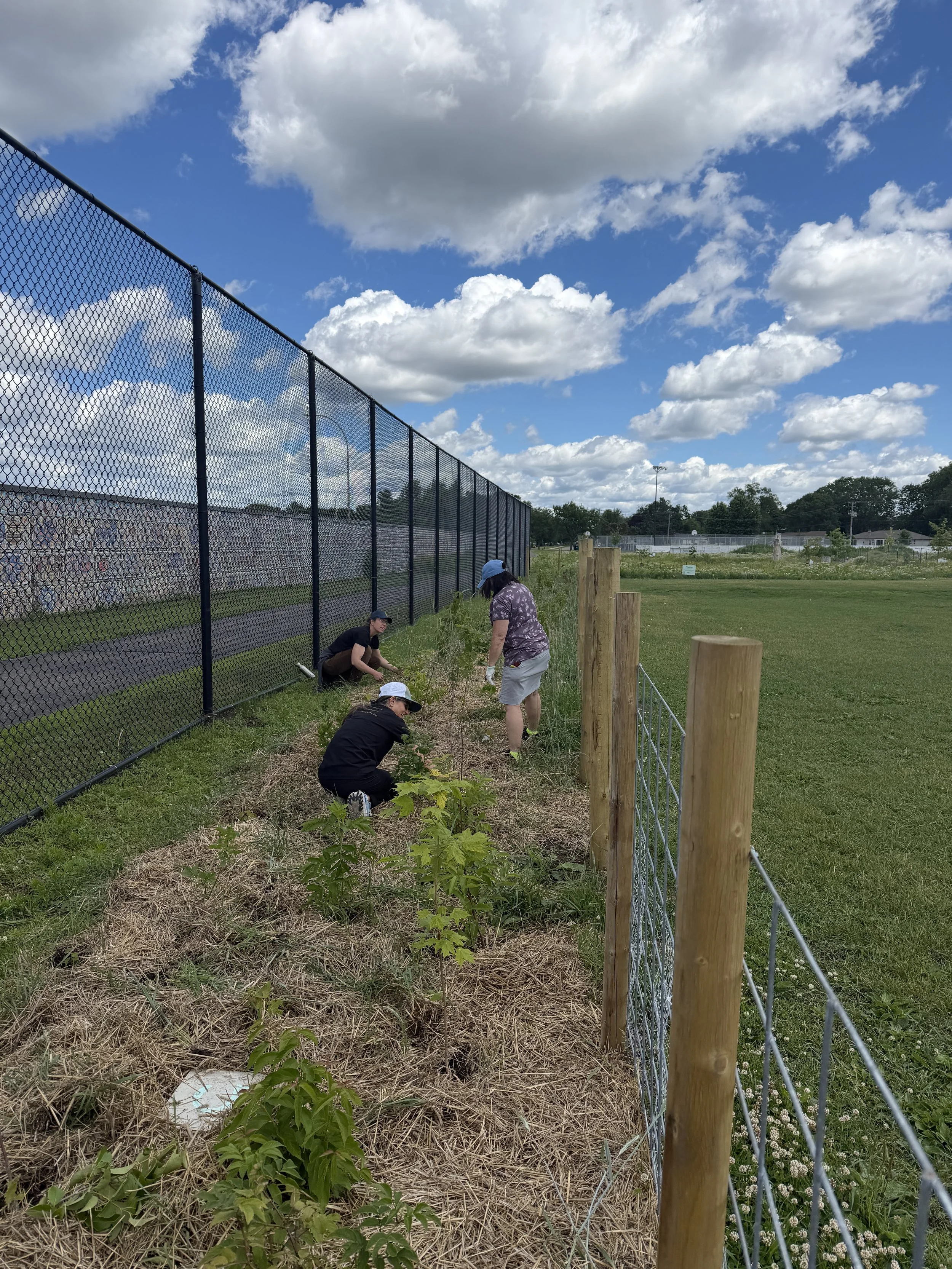
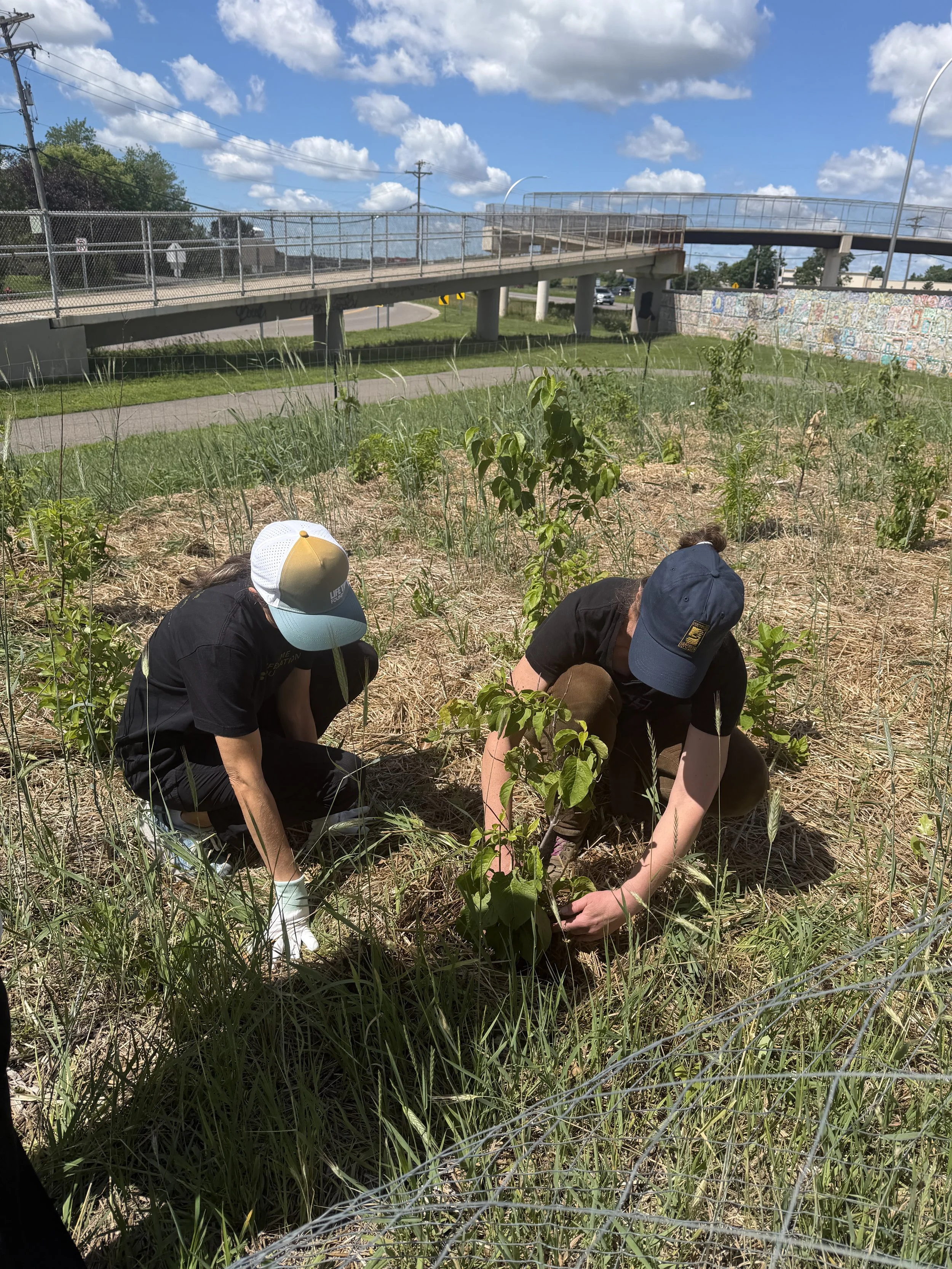
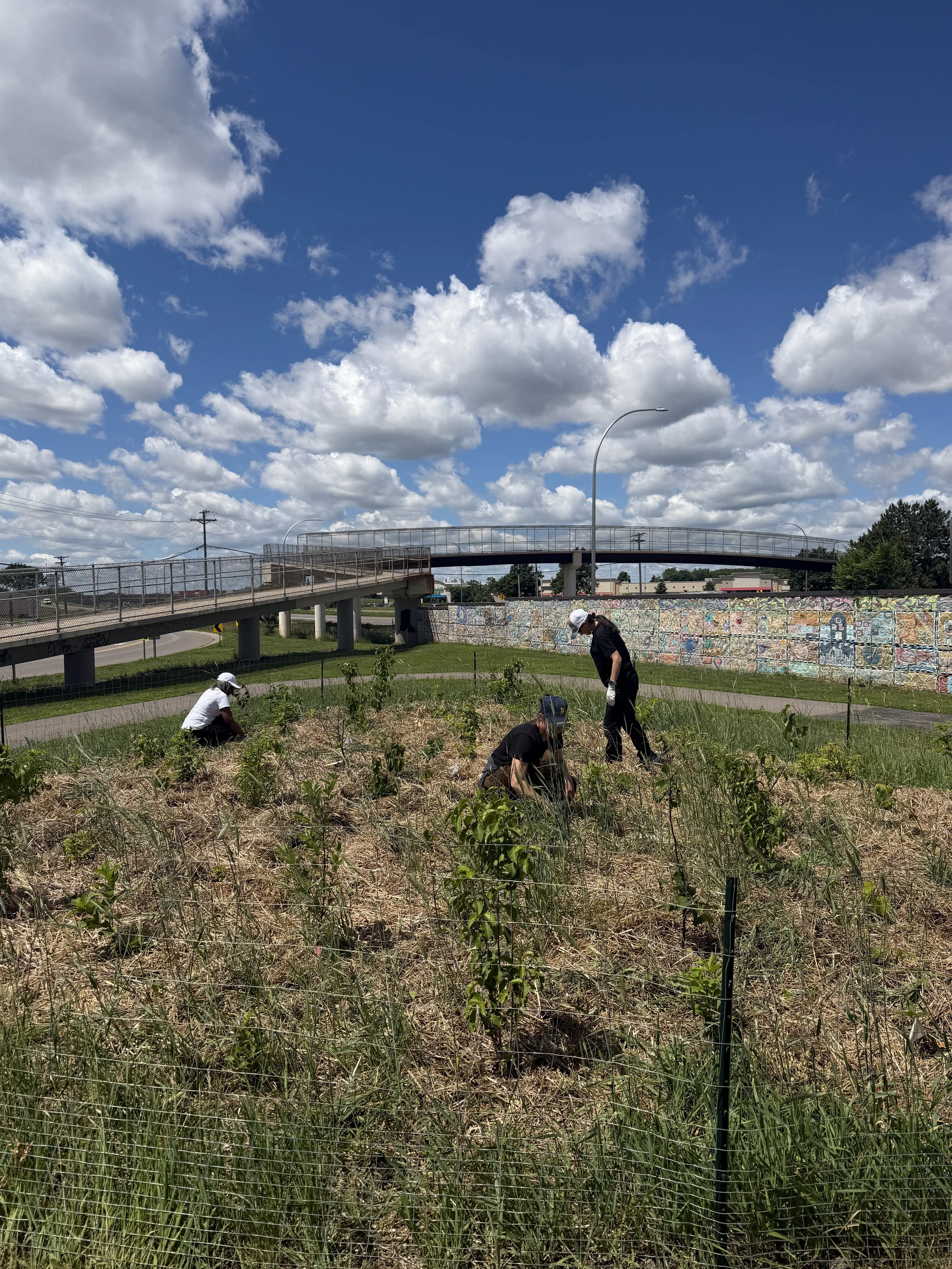
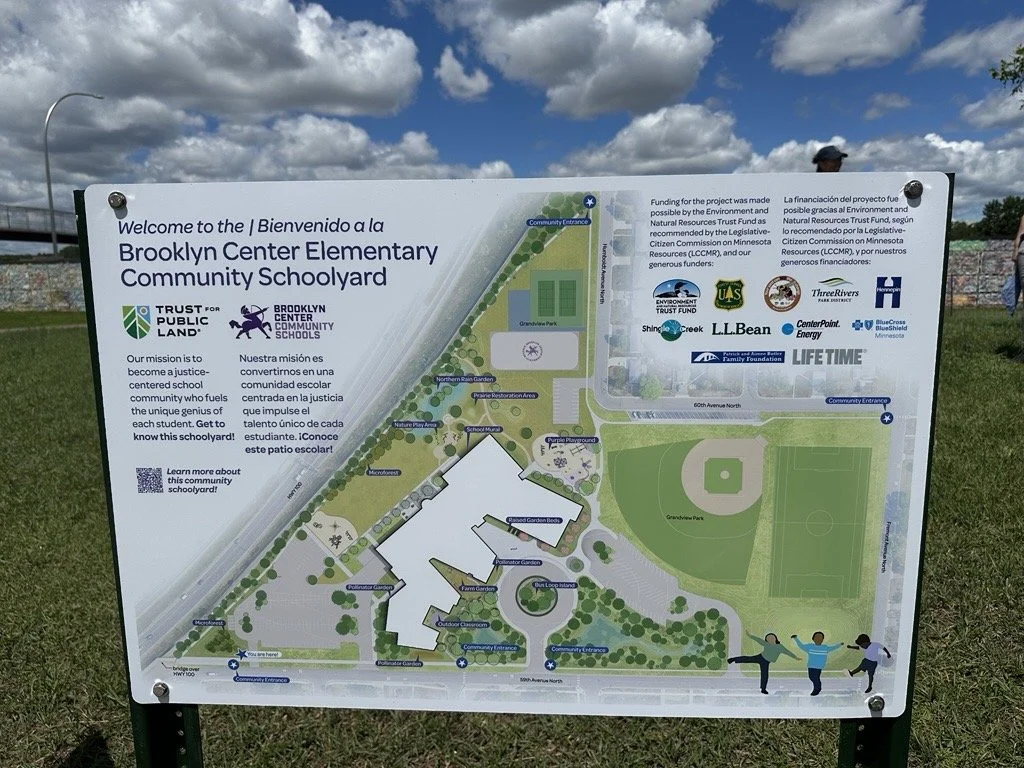
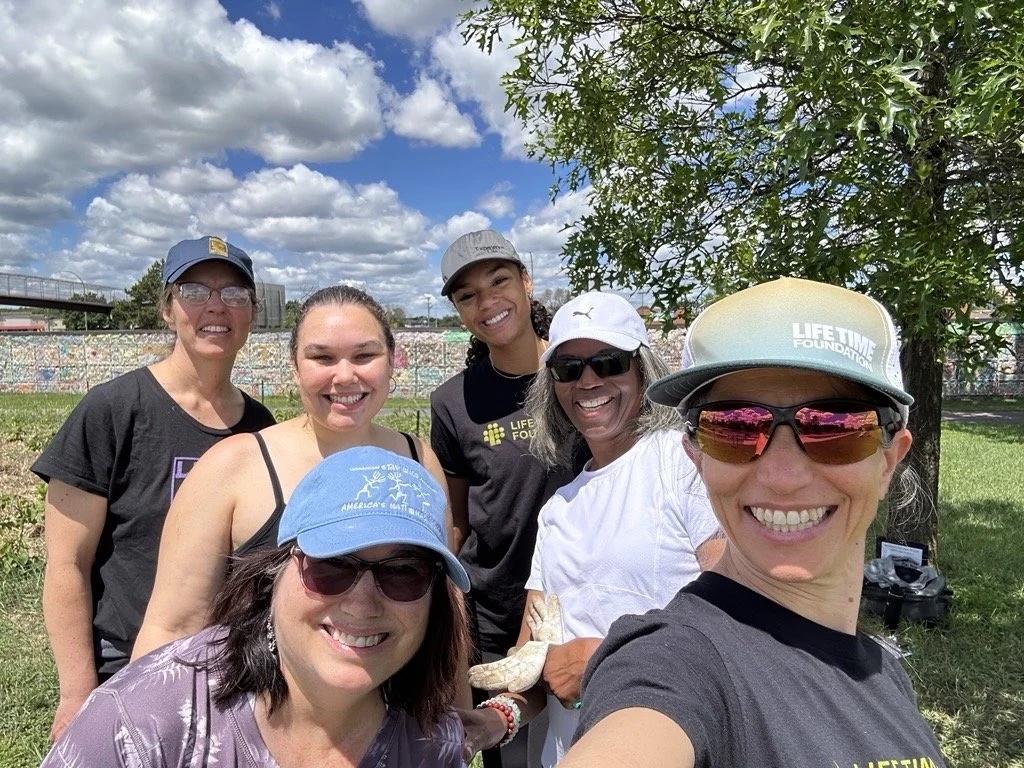
This past weekend, Life Time Foundation volunteers, Renewing the Countryside employees, and local educators came together to steward three mini-forests at Brooklyn Center Elementary Community Schoolyard.
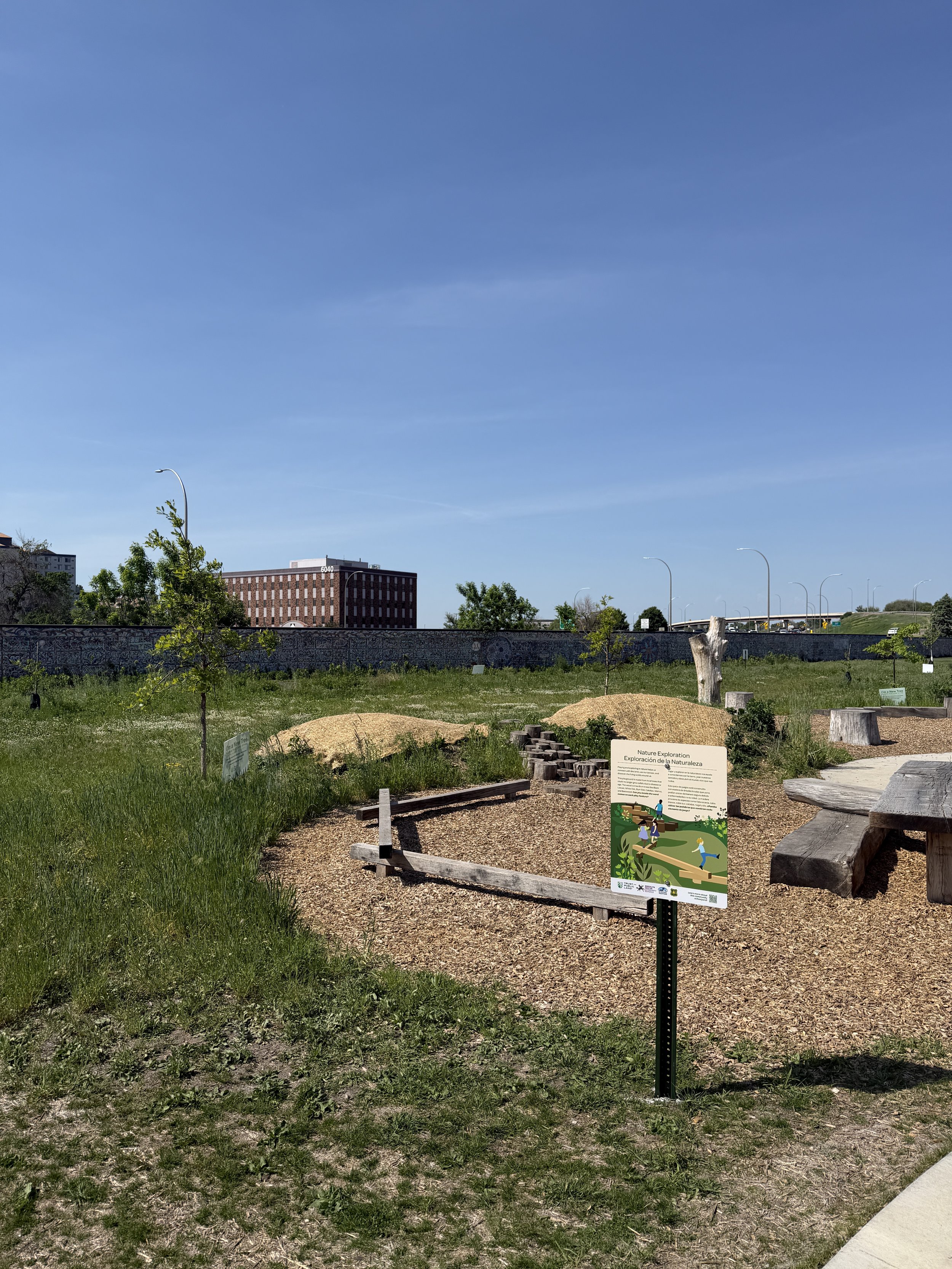
These mini-forests are small natural ecosystems composed of native trees and shrubs that provide environmental benefits such as air filtration, cooling during the summer heat, and sound barriers. They also serve as outdoor nature classrooms for Brooklyn Center Elementary students, part of a broader transformation of the schoolyard into a vibrant, nature-rich campus that supports physical activity, mental well-being, and hands-on education. Early outcomes from the project show promising impacts, including improved student health, increased engagement, and enhanced biodiversity across the site.
During their first three years, this green infrastructure will require periodic stewardship, including light weeding, biodiversity monitoring, and species identification. This work not only supports the forests themselves but also benefits local wildlife, including pollinators and birds.
This project came to fruition through a collaboration among Trust for Public Land, Renewing the Countryside, Three Rivers Park District, Hennepin County, Life Time Foundation, and other community partners. Life Time Foundation committed $150,000 over three years to help transform the schoolyard into a community asset that serves more than 2,500 local residents and 900 students.
All three forests were created using the Miyawaki method, a technique developed by Japanese botanist Dr. Akira Miyawaki that involves planting native species in dense "pocket forests" to significantly enhance biodiversity.